
Menopausal is a physiological moment in the life of every woman, but it is often experienced with discomfort, in silence, or worse, with the conviction that certain symptoms are inevitable. Flushing, sleep disturbances, mood drops and physical changes are common manifestations, but they must not be passively accepted.
In recent years, the approach to menopause has changed profoundly. More and more women choose to be guided by specialists in dedicated clinics, where they can deal with this phase consciously, accompanied by accurate diagnosis and effective, even non-hormonal, therapies.
The most common (and undervalued) symptoms
Menopause does not occur only with discontinuation of the menstrual cycle. Often the first signs appear in the transition phase, called perimenopausal. They may include:
- flushing and night sweats
- difficulty sleeping
- irritability and mood swings
- decreased libido
- dryness and pain
- Incontinence and urgency
Disorders that go far beyond the momentary discomfort: affect sexual, relational life and self-esteem. Yet, many women do not talk about it or turn to a specialist.
A new clinical sensitivity
Today there are specialized clinics precisely to accompany women at this stage. The aim is not only to treat symptoms, but also to prevent long-term risks related to the drop in estrogen: bone fragility, osteoporosis, increased cardiovascular risk and type 2 diabetes.
Gynecologists who deal with menopause offer a complete framework, which considers both physical and psychological aspects, and propose personalized therapeutic pathways.
Non-hormonal therapies
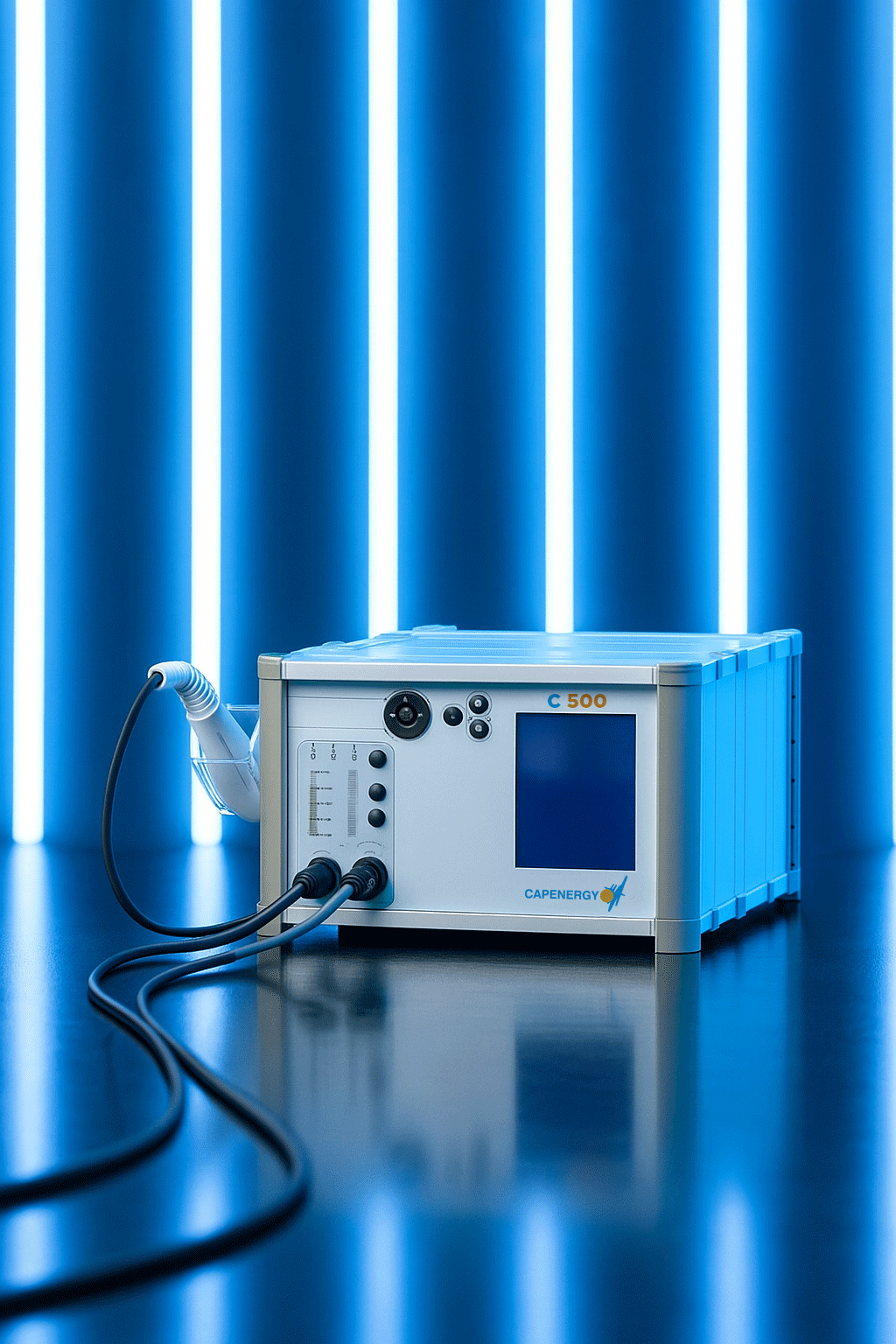
In addition to hormone replacement therapy, non-hormonal solutions exist for all women who cannot or do not want to take estrogen. In particular, innovative treatments based on radiofrequency, used for the regeneration of vaginal tissues.
These are medical devices that act in depth to improve hydration, stimulate collagen and elastin production, and restore elasticity and well-being to genital mucous membranes. All in a painless, non-invasive and also suitable for cancer patients.
A new approach to menopause
Recognizing the symptoms and addressing them with the support of a specialist makes the difference. It is not just about "getting older", but about keeping your femininity, intimacy and quality of life active.
Today women have modern clinical tools, dedicated clinics, personalized therapies and innovative technologies. It is not a question of fighting menopause, but of living it in balance, without renunciation and without compromise.